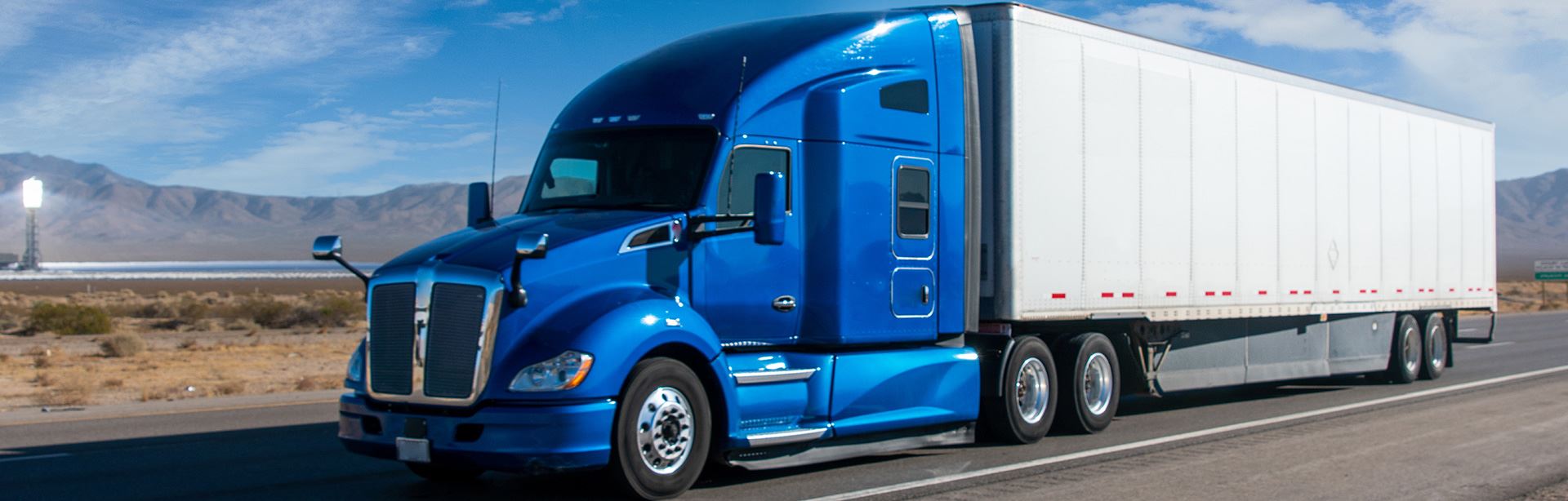
 Drowsy driving is a leading cause of fatal accidents on California highways. In some cases, fatigued driving in a commercial vehicle may lead to reckless driving charges.
The most common violations caused by fatigued driving are infractions such as unsafe lane change, failure to maintain a lane, or tailgating. However, if reckless driving could also be charged under extreme circumstances. CA Vehicle Code (VC) Section § 23103 - Reckless Driving: If extreme fatigue leads to dangerous driving behaviors, such as swerving, drifting between lanes, or erratic operation, a driver even can be charged with reckless driving.
It specifically states:
“A person who drives a vehicle upon a highway in willful or wanton disregard for the safety of persons or property is guilty of reckless driving.”
So, is fatigued driving a “willful or wanton disregard for the safety…”?
If the driver displayed reckless driving behavior, such as drifting in and out of lanes, tailgating, inconsistent speeds in combination with other infractions, some judges would consider this reckless driving behavior.
Although willful or wanton disregard for the safety of others can be subjective, the decision comes down to the judge. However, a traffic ticket defense attorney can often raise a “reasonable doubt” to get a dismissal or reduced charge.
Law enforcement officers in San Joaquin County, CA, look for visible signs of exhaustion, including lane drifting, tailgating, and others on I-5 or SR-99.
We represent commercial drivers facing these serious allegations at the Stockton Courthouse. Our team works to protect your livelihood and your professional reputation.
Understanding the Dangers of Driver Exhaustion
According to the National Highway Traffic Safety Administration (NHTSA), fatigue can impair a driver similar to a 0.08% blood alcohol concentration (BAC). Statistics show that drowsiness is involved in up to 13% of commercial crashes.
Most energy levels dip naturally between 2:00 a.m. and 4:00 a.m. during the night. A second dip often occurs between 1:00 p.m. and 3:00 p.m. each day. Commercial drivers should plan their mandatory break during these times.
Drivers under 25 are statistically more prone to falling asleep behind the wheel. We suggest prioritizing 7 to 9 hours of sleep before every shift.
Key Hours of Service (HOS) Regulations
The FMCSA enforces strict rules to prevent fatigued driving in a commercial vehicle. These regulations ensure that property-carrying drivers get the rest they truly need.
Property-carrying drivers must follow these specific HOS requirements while on the road:
- You may drive a maximum of 11 hours after 10 consecutive hours off.
- A 30-minute break is mandatory within 8 hours of driving time.
- You cannot exceed 70 on-duty hours over 8 consecutive days.
These federal rules are monitored using the mandatory Electronic Logging Devices (ELDs) for all truckers. Many carriers use these devices to ensure total compliance with safety standards.
Challenging HOS Violations and Fatigue Charges
Exceeding your driving limits is strictly prohibited to ensure public safety. However, logistics pressures or adverse weather often lead to unintentional HOS violations. Seasoned drivers plan their HOS and mandatory breaks. However, there are exceptions, such as unusual conditions.
Unexpected road conditions may allow for a two-hour driving extension. We can help you document these factors for the court in Stockton, CA.
A conviction for fatigued driving in a commercial vehicle carries heavy federal penalties. We offer a no-obligation, free consultation to discuss your specific case.
Ask Bigger & Harman About Fatigued Driving in a Commercial Vehicle
Bigger & Harman regularly defends commercial driving clients in San Joaquin County Courthouse in Stockton, CA. Call for a free, no-obligation consultation about a commercial vehicle lane violation at (661) 367-8232 (se habla Español).
Use our handy online contact form or email us at attorney@biggerharmanlaw.com.
Download our e-book, Protecting Your Commercial Driver License.
❓ Frequently Asked Questions (FAQ) Section
Q: What are the penalties for an ELD violation?
A: Failing to use a required ELD can result in a ticket for a logbook violation and an out-of-service (OOS) order. OOS orders, serious and major offenses are now assigned the highest two-point penalty in the CSA and SMS. These negatively impact the carrier’s SMS percentile and the driver’s PSP. Challenging a logbook violation rather than paying the fine might be the driver’s best option.
Q: What is the "short-haul exception" to the FMCSA’s HOS rules?
A: Drivers staying within a 150 air-mile radius may follow simplified rules. They must still return to their work reporting location within 14 hours, but are not mandated to use an ELD.
Q: Could a commercial driver be charged with reckless driving for fatigued driving?
A: Yes, but a conviction will likely depend on the circumstances and the driver’s actions. Consult a CA traffic ticket defense attorney before making a statement or accepting a plea deal from a court official.
References:
CA VC Section § 23103, Reckless Driving.
The DOT FMCSA Summary of HOS Regulations and the HOS Final Rule, dated June 1, 2020.
The DOT FMCSA 49 CFR Part 383.51, Paragraph 6.2.5, Disqualification of Drivers.
The National Highway Traffic Safety Administration (NHTSA) article on Drowsy Driving.