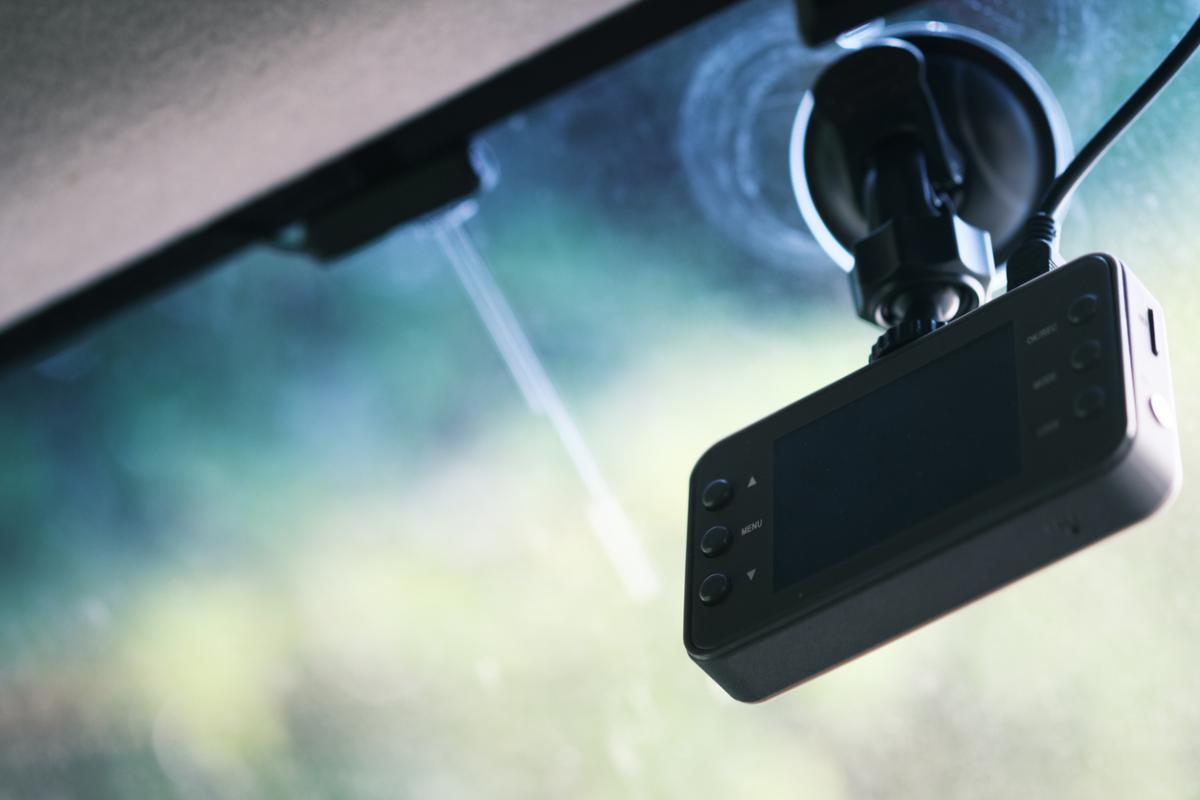
 Many fleets now use artificial intelligence (AI) dashcams to monitor driving habits in real time. These systems often flag a driver for drowsy driving behavior and following too closely on the highway.
Predictive coaching aims to correct behavior before an accident occurs. However, technology sometimes misses the nuances of heavy traffic on I-80 and other interstate highways.
Another drawback to using AI dashcams in the cab of big rigs could be that many drivers consider it an invasion of privacy.
A citation for tailgating or fatigued driving are major threat to any professional career, as it is a “serious offense” at the FMCSA, and a second paid fine or conviction within three years will result in a 60-day driver disqualification.
As CDL traffic ticket attorneys, we help drivers protect their records at the Truckee courthouse.
Understanding CA Vehicle Code 21703
California law is very specific about maintaining a safe distance between vehicles. CA VC Section 21703, Additional Driving Rules prohibits following more closely than is "reasonable and prudent."
"The driver of a motor vehicle shall not follow another vehicle more closely than is reasonable and prudent, having due regard for the speed of such vehicle and the traffic upon, and the condition of, the roadway."
The CA DMV recommends using a three-second rule for safety. However, this is often difficult for big rigs traveling over the Donner Pass and other freeways in California, given the designated lanes for commercial vehicles and lower speed limits that cause most CMVs to drive at the same speed.
Serious Consequences for This Serious Offense for Both the Driver & the Carrier
A paid fine or conviction usually results in a fine of approximately $238 with State and County surcharges.
However, since this is a serious offense at the FMCSA, the fine is a minor consideration. What's more concerning is the FMCSA notification and the damage to the driver's PSP for up to three years. A clean driving record allows commercial drivers to negotiate better pay and benefits.
The CA DMV adds 1.5 points to the commercial driver’s CA motor vehicle driving record (MVR). This triggers an immediate notification to the FMCSA. Plus, the driver must notify their employer within 30 days, regardless of an appeal action.
Following too closely is considered a "serious offense" by federal authorities. This violation stays on the driver’s PSP for three years.
Statistics, Liability, and Possible Defenses
Tailgating is a common factor cited in most rear-end collisions. The driver who is following is most often held liable for all damages.
Following too closely is considered a dangerous and aggressive act, which can significantly limit the driver’s reaction time. Plus, a loaded 18-wheeler needs a much longer stopping distance than a four-wheel passenger car.
The National Highway Traffic Safety Administration (NHTSA) recommends commercial drivers maintain a 6-8 second “safe-space” between vehicles. This is nearly impossible in CA.
Many trucking “platoon” schemes recommend keeping a minimum space between trucks to keep other vehicles out to their group.
Also, the NHTSA says, “Data indicates that over 30% of all crashes are caused by tailgating,” and “…large trucks were rear-ended by another vehicle nearly four times more often than a large truck rear-ending another vehicle in fatal crashes.”
A clean record is vital for negotiating better pay and benefits for commercial drivers. We look for specific factors to challenge these citations in Nevada County, CA:
- The driver in front unexpectedly cut the commercial vehicle off.
- An emergency required a sudden change in following distance.
- *“Brake checking” has become a nationwide concern for all drivers, as the as the act of slamming on their brakes to get rear-ended has become a dangerous trend and possible insurance fraud.
- The vehicle suffered from faulty or sudden brake failure.
*“Brake checking occurs when a vehicle unexpectedly and suddenly hits its brakes, increasing the risk of the rear vehicle crashing.”—DJC Law (Personal Injury Lawyers) Stockton.
These defenses are essential when fighting a ticket in the local court. Our legal team understands how to present these facts to a judge.
Ask Bigger & Harman About Defenses for Following Too Closely in Truckee Courthouse
If you’ve been accused of following too closely in a CMV, call Bigger & Harman, APC at (661) 349-9300 or 859-1177 para Español.
You can also email us at attorney@biggerharmanlaw.com, or use our secure website contact form to arrange a consultation.
Bigger & Harman regularly defends clients in Truckee Courthouse in Nevada County.
Commercial drivers can call for a free, no-obligation consultation. We assisted California drivers in resolving more than 30,000 traffic tickets, many of which were for commercial drivers.
Download our e-book, Protecting Your Commercial Driver License.
❓ Frequently Asked Questions (FAQ) Section
Q: How many NOTS points can a commercial driver have before a suspension?
A: A CA driver is allowed four points in one year. They get six in two years or eight in three. Commercial drivers could reach these limits 50% faster, due to the DMV’s assessment of 1.5 or 3 NOTS points for commercial drivers, as opposed to non-commercial drivers.
Q: Is following too closely an FMCSA serious offense?
A: Yes, according to the FMCSA 49 CFR Part 383.51, Paragraph 6.2.5, Disqualification of Drivers, following too close/tailgating is one of several serious offenses that could lead to a driver’s disqualification from interstate commercial driving.
Q: Could a commercial driver be charged with reckless driving for tailgating?
A: Yes, but a conviction will likely depend on the circumstances and the driver’s actions. Consult a CA traffic ticket defense attorney before making a statement or accepting a plea deal from a court official.
References:
The DOT FMCSA 49 CFR Part 383.51, Paragraph 6.2.5, Disqualification of Drivers.
CA VC Section 21703, Additional Driving Rules.
The National Highway Traffic Safety Administration (NHTSA).
DJC Law (Personal Injury Lawyers) in Stockton.