Many drivers in Inyo County assume a RADAR reading is automatic proof of speeding.
The reality is often more complicated. Can I Fight a RADAR Speeding Ticket? is a question we hear from drivers cited along I-395 near Bishop and Independence.
A traffic ticket based on RADAR, LIDAR, pacing, or a visual estimate is not necessarily beyond challenge. The facts, the officer’s training, and the equipment used can all become important parts of the case.
Can I Fight a RADAR Speeding Ticket? Understanding How Speed Is Measured
Law enforcement officers (LEOs) use several methods to determine vehicle speed.
The most common methods include:
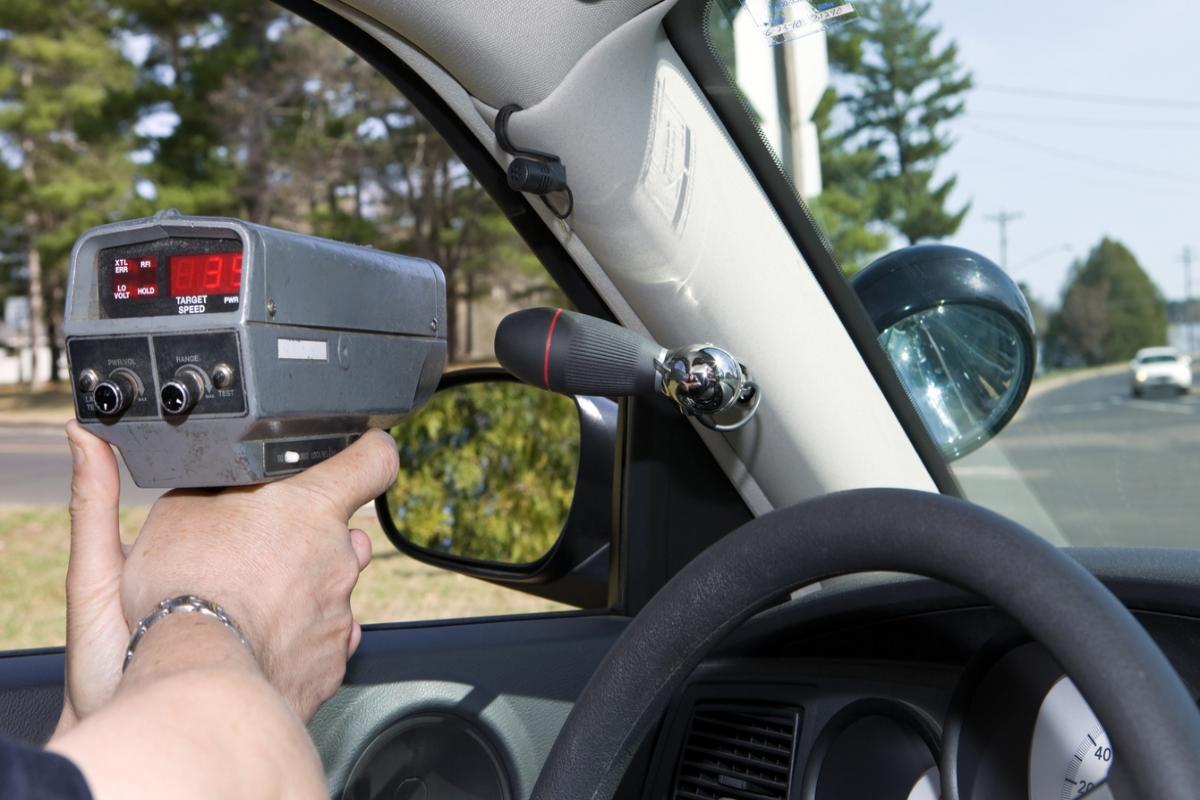
• RADAR (Radio Detection and Ranging) using radio waves.
• LIDAR (Light Detection and Ranging) using laser technology.
• Pacing, where an officer matches a vehicle’s speed.
• Visual estimation based on training and experience.
Many drivers are surprised to learn that more than one method may be used during the same speeding ticket stop.
Along I-395 near Bishop and Independence, officers frequently rely on a combination of speed-measuring devices and visual observations when enforcing speed laws.
The method used matters because each approach has different strengths, weaknesses, and documentation requirements.
Challenging RADAR Calibration and Officer Training
Many drivers believe a RADAR reading cannot be questioned. In reality, the equipment must be properly maintained, and the officer must be trained to use it correctly.
For a speed-measuring device to be considered reliable, calibration and maintenance records should support its accuracy.
Potential issues may include:
• Missing or outdated calibration records.
• Improper maintenance procedures.
• Questions regarding officer certification or training.
• Errors in operating the equipment.
Also, a traffic court judge might accept an experienced LEO’s estimation of speed under the right circumstances. But most of the time there need to be additional supporting evidence to get a charge proved beyond a reasonable doubt.
These records are generally available through the legal process. Although a layperson with the time and patience might be able to get these records, a speeding ticket attorney familiar with traffic court procedures knows how to obtain and evaluate this information in court, or sometimes before.
When a case depends heavily on a RADAR reading, even small inconsistencies can become vital.
Visual Estimates and Pacing Are Not Always Simple or Accurate
RADAR is not the only evidence used in speeding cases.
An officer may testify about pacing or visual estimation. However, drivers frequently ask whether an estimate is simply a guess.
The answer usually depends on the officer's experience, training history, and ability to explain the observation in traffic court. Questions sometimes arise regarding how much practical experience an officer actually had at the time the citation was issued. But most of the time an estimated speed is just the required prerequisite from the officers training before using Radar or Lidar.
Because every case is different, these details deserve careful review by the courts.
The Financial Impact of a Speeding Conviction
Many drivers focus only on the fine. In reality, the larger expense often comes later when insurance premiums increase.
According to Bankrate.com, the average California driver pays about $3,119 annually for full coverage and approximately $916 per year for minimum coverage.
Drivers in Inyo County, including those in Bishop and Independence, generally pay less than the statewide average. Typical full-coverage premiums often range between $2,400 and $2,625 annually, or roughly $200 to $220 per month.
However, once a speeding conviction appears on a driver's DMV record, insurance companies become aware of the increased risk associated with the speeding offense.
Many insurers respond by removing the driver's 20% good-driver discount and may add another 10% to 15% to the premium based on the increased risk of speeding behavior.
For a driver paying $2,400 annually for insurance, a 30% to 33% increase could add approximately $720 to $768 per year. Over three years, that increase alone may total between $2,160 and $2,300, not including the fine itself.
Drivers with teenagers on their policies may face even larger increases. Bankrate.com reports that parents adding a teen driver can pay as much as 130% above the California average. In those situations, the long-term financial impact of a speeding conviction can be substantially higher.
These costs are one reason many drivers ask, "Can I Fight a RADAR Speeding Ticket?" before simply paying the fine.
Why Traffic Court Can Be Difficult Without Preparation
Many drivers believe they can explain what happened and quickly resolve the matter.
What often occurs instead is a lengthy wait in traffic court followed by a stressful appearance before a judge, which could lead to stage fright or getting tongue-tied when trying to explain the facts.
When drivers represent themselves, important legal and evidentiary issues are sometimes overlooked. A traffic attorney understands how to evaluate speed-measuring evidence, question witnesses, and identify weaknesses in the prosecution's case.
That does not guarantee a dismissal, but it can help ensure all available defenses are properly presented.
Ask Bigger & Harman, Can I Fight a RADAR Speeding Ticket in Inyo County, CA?
If a driver receives a traffic ticket on I-395 near Bishop or Independence, speaking with a speeding ticket lawyer before paying the fine is often a wise first step.
At Bigger & Harman, we help drivers understand the potential consequences of a paid fine or conviction, evaluate the evidence, and determine whether a defense may be available. We regularly assist drivers with matters in Bishop and Independence traffic court.
Drivers can contact Bigger & Harman at (661) 349-9300 or 859-1177 para Español. Drivers may also email attorney@biggerharmanlaw.com or use our secure website contact form for a free consultation.
❓ Frequently Asked Questions (FAQ) Section
Q: Can I fight a RADAR speeding ticket in Inyo County, CA?
A: Yes. Depending on the facts, a driver may challenge RADAR calibration records, officer training, pacing evidence, visual estimates, and other aspects of the citation. Another crucial question is should you, which can be answered by a speeding ticket lawyer.
Q: What is the difference between RADAR and LIDAR?
A: RADAR uses radio waves to calculate speed, while LIDAR uses laser technology. Both are commonly used by law enforcement officers. LIDAR is generally unreliable in extreme weather.
Q: Can an officer estimate my speed without RADAR?
A: In theory, yes. Judges could allow experienced officers to testify regarding visual speed estimates based on their experience and observations. However, to uphold a conviction at the beyond a reasonable doubt standard is quite rare and tends to make drivers and some members of the public upset.
References:
CVC Section 22350, Speed Laws.
The Bankrate.com article, Average cost of car insurance in CA for 2026.