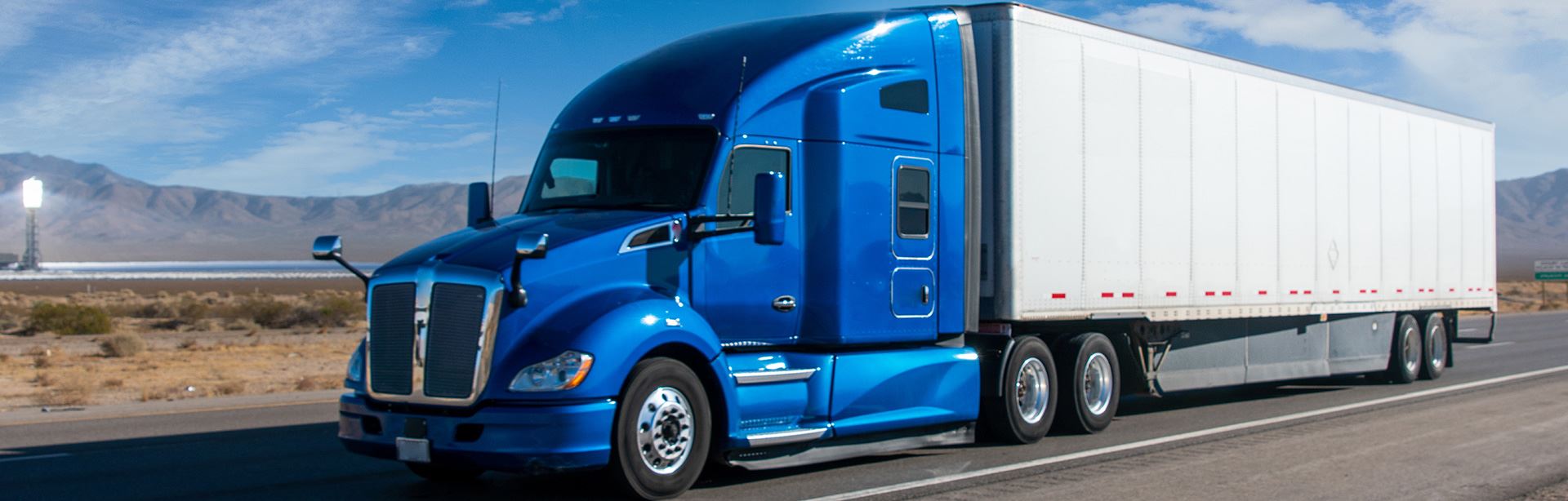

Drivers traveling through high-speed corridors like I-15 between Los Angeles and Las Vegas near Victorville, and U.S. Route 95 and I-40 near Needles, often do not realize how heavily monitored these routes are.
Speeding 100+ mph citations are common. I‑15, with its long stretches, is prone to high‑speed driving and has a high ticket rate for 100+ mph speeding.
A routine drive can turn into a major infraction, with a mandatory court appearance by the driver or their attorney. A conviction requires a fine of between $859 and $2,137 and other severe consequences.
Likewise, most drivers experience a double or tripled auto insurance premium for up to seven years after a conviction.
In California, speeding 100+ mph is not treated like a standard traffic ticket.
Since December of 2025, a ticket will probably trigger a review under the DMV FAST Pilot Program.
The DMV reviews a driver’s record to determine if their license should be restricted, suspended, or revoked even before a trial after one of these high-speed allegations.
What Happens After a Ticket for Speeding Over 100 MPH?
A citation involving speeding 100+ mph is now flagged for enhanced review.
This includes a review by the DMV FAST Pilot Program, which may schedule a hearing within a short timeframe. If the driver fails to appear before the Driver Safety Office (DSO), action will be taken without their input.
Drivers often ask what happens next. In most situations, the process may involve:
- A mandatory court appearance by the driver or their legal representative.
- A DMV review of driving history could occur before a trial to determine guilt or innocence.
- Possible license suspension or revocation. The court is already authorized to suspend a driver’s privileges if found guilty in court.
On highways like I-15 near Victorville, where long stretches seem to encourage high-speed travel, enforcement tends to be consistent and heavily RADAR/LIDAR-enforced.
Often, aircraft are used in conjunction with ground patrols and roadblocks to capture speeding drivers.
Why the Abrupt Use of the DMV FAST Pilot Program for High-Speed Enforcement
According to the FAST Pilot Program Press Release:
“The DMV and CHP have launched a pilot program that takes swift action against drivers who are caught traveling more than 100 mph in the hopes of reducing potentially deadly crashes. The FAST (Forwarded Actions for Speeding Tickets) program automatically refers drivers to the DMV for review — independent of any court proceedings — to determine whether action should be taken against their driving privileges.”
However, some legal experts have commented that it ignores due process and usurps the courts’ authority.
“The court may also suspend the privilege of the person to operate a motor vehicle for a period not to exceed 30 days pursuant to Section 13200.5.”—CA Vehicle Code (VC) Section 22348.
When a case enters FAST review, the focus shifts from just the ticket to the driver’s overall risk profile. That means even a single event can carry long-term administrative consequences beyond the courtroom.
Drivers often underestimate how quickly the DMV FAST Pilot Program can escalate a case into a license review process. Once the ticket is forwarded to the DSO, a DMV hearing could be scheduled quickly.
Important Steps Drivers Must Take Immediately to Secure Input
Time matters after receiving a citation for excessive speeding. The FAST hearing process can move surprisingly fast.
We typically encourage drivers to take several immediate steps after a 100+ mph citation:
- Confirm that the mailing address on record with the DMV is accurate by checking my.dmv.ca.gov. If updates are needed or do not process correctly, the driver can also contact the DMV directly at 1-800-777-0133 for assistance.
- Watch daily for FAST hearing notices from the DMV.
- Avoid ignoring any court or DMV correspondence. It is crucial the driver does not miss this hearing. The license could be suspended or revoked without input.
- Speak with a traffic lawyer familiar with excessive speeding cases. Bigger & Harman can appear for the driver in both court and DMV proceedings under a flat-fee arrangement.
How Evidence Can Impact a Speeding 100+ MPH Case
Many drivers do not realize that radar, pacing methods, or LIDAR equipment are not always flawless. Calibration issues, environmental conditions, or officer training factors can all influence speed readings.
In cases involving speeding over 100 mph, these details become especially important because the consequences increase significantly as speed rises.
We often review and challenge:
- Radar calibration records.
- LIDAR accuracy logs.
- Officer training on speed measurement devices and the use of pacing methods.
- Environmental conditions on I-15, I-40, and US-95 corridors at the time of the stop.
Careful examination of these factors may be critical before a FAST hearing or trial.
Discuss Speeding 100+ MPH and the DMV FAST Pilot Program with Bigger & Harman
When a driver is cited for speeding 100+ mph, their actions could determine whether their license is suspended or revoked during a DMV review.
At Bigger & Harman, we regularly assist drivers facing high-speed allegations throughout California, including in courthouses in Victorville and Needles in San Bernardino County, CA.
We help drivers understand what is at stake, review evidence, and prepare for both court and DMV proceedings when necessary. These cases often require careful analysis, especially when radar or pacing accuracy is questioned.
Drivers can contact Bigger & Harman for a free consultation at (661) 349-9300 or 859-1177 para Español. Email attorney@biggerharmanlaw.com or use our secure online contact form.
Click here to download a free copy of our eBook, 4 Unknown Consequences of Driving Over 100 MPH.
❓ Frequently Asked Questions (FAQ) Section
Q: Can RADAR or LIDAR readings be challenged in a speeding 100+ mph case?
A: Yes. There are no infallible speed measurement methods. Although LIDAR is typically more accurate than RADAR, and pacing is highly accurate when applied by a veteran law enforcement officer (LEO), equipment calibration, a LEO’s training and experience, and environmental factors can all be examined.
Q: What is the risk of ignoring a FAST hearing notice?
A: The DMV may proceed without input from the driver, which can result in license suspension or other administrative penalties.
Q: Can my license be suspended before I go to court?
A: Yes. Under the FAST Pilot Program, the DMV can suspend or revoke a driver’s license even before a court establishes guilt.
References:
The FAST Pilot Program Press Release, 22 December 2025.
CA VC Section 22348, Speed Laws.
The Bankrate.com article, Average cost of car insurance in CA for 2026.