
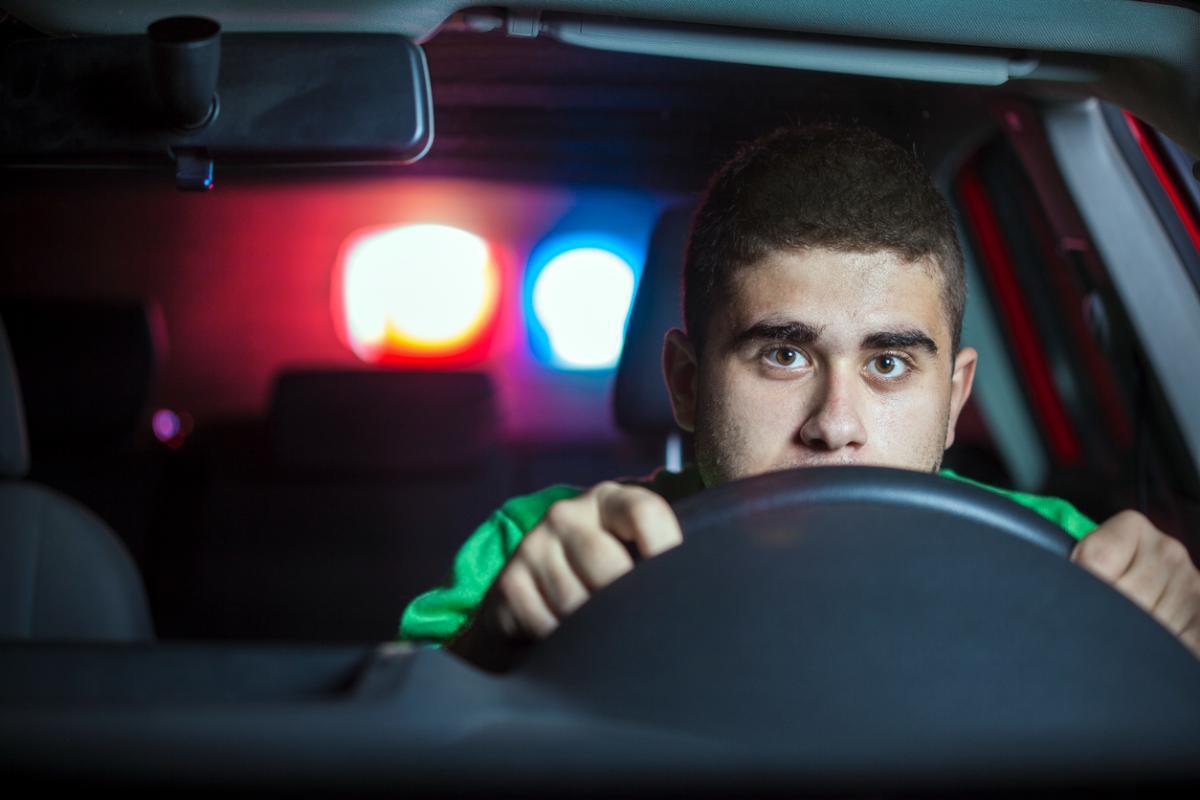
Fighting a reckless driving charge in Mono County, CA, can quickly turn into a serious misdemeanor case that impacts a driver’s criminal record, insurance, and even their freedom and reputation.
When a traffic ticket escalates into a criminal allegation, the stakes are much higher than a simple citation, especially for drivers traveling along I-395 through Mammoth Lakes or Bridgeport in Mono County. Even more drivers have received reckless driving charges going through Independence or Bishop in Inyo County.
When we speak with drivers after a traffic stop in this region, many are surprised to learn how quickly a situation can escalate.
A traffic lawyer can often step in early and help challenge whether the driving behavior met the legal standard for reckless driving.
When Does a Traffic Ticket Become Reckless Driving?
The California Vehicle Code § 23103(a) defines reckless driving as:
“A person who drives a vehicle upon a highway in willful or wanton disregard for the safety of persons or property is guilty of reckless driving.”
That phrase is where most cases are won or lost.
In real-world terms, fighting a reckless driving charge often comes down to whether the driver’s actions were intentional or misinterpreted.
Excessive speeding on I-395, swerving in and out of lanes near Bridgeport, or overreacting to traffic conditions near Mammoth Lakes can sometimes be misread by law enforcement as aggressive driving.
We often hear drivers ask, “Can a retaliatory reaction on the road really become a misdemeanor?” The answer is yes — depending on how the incident is interpreted and charged.
However, according to the law, to be “reckless driving,” there must be “a willful or wanton disregard for the safety…”
How We Defend Reckless Driving Cases
Every case is different, but defense strategies often focus on the driver’s intent, the conditions at the time, and whether the evidence supports a “willful or wanton disregard” standard.
We typically review:
- Possible Emergency Circumstances: Was the driver forced to speed excessively to get a passenger to a hospital quickly? We will gather the documentation necessary to prove the driver’s actions prevented a greater danger. Explaining the truth about an emergency can help the judge understand the actions taken.
- The Lack of Willful Intent: If the driver’s actions were misinterpreted by law enforcement. At Bigger & Harman, we aim to demonstrate that the driver’s actions were not intentionally reckless or dangerous if that is true. Showing the court “a lack of willful intent” could help reduce the specific charges against the driver.
- Mistaken Identity: Did the law enforcement officer (LEO) make an error by pulling over the wrong car in the heavy summer traffic on I-395? Proving another driver was behind the wheel is a powerful method to disprove reckless driving. We will check to see if the LEO actually saw you in the driver’s seat when the incident occurred.
Fighting a reckless driving charge often requires showing that the situation does not rise to the level of criminal intent required by law.
A trial defense traffic attorney may also evaluate whether the charge could be reduced to a lesser traffic violation, which can significantly reduce long-term consequences.
What Drivers Should Do After Being Cited
After receiving a traffic ticket that involves reckless driving allegations, timing matters.
Early legal review often provides more options for defense or a reduced charge.
We typically advise drivers to:
- Avoid explaining the incident without legal guidance.
- Preserve any notes or evidence about road conditions.
- Identify witnesses or dashcam footage if available.
- Contact a traffic lawyer before making a statement or entering a plea.
When disputing a reckless driving charge, a misdemeanor offense, delays and unguarded statements can make the case far more difficult to defend. Never make a statement to LEO or an officer of the court without an attorney present.
“A misdemeanor is a type of offensepunishable under criminal law. A misdemeanor is typically a crime punishable by less than 12 months in jail.”— Cornell Law School Legal Information Institute (LII) WEX Definitions: Misdemeanor.
Discuss your options with a knowledgeable and experienced trial defense attorney immediately.
Consult Bigger & Harman About Fighting a Reckless Driving Charge in Mono County, CA
If a driver is considering fighting a reckless driving charge in Mono County, CA, early legal intervention is advised. Once a statement is made or a plea bargain accepted, extreme prejudice could exist.
At Bigger & Harman, APC, we regularly review and defend traffic ticket matters involving alleged reckless driving in the Mammoth Lakes or Bridgeport Courthouse in Mono County.
We work to challenge the LEO’s perspective, clarify the driving conditions, and protect the driver’s long-term record.
Call (661) 349-9300 or 859-1177 para Español to schedule a consultation.
Additionally, use our secure and handy contact form or email us at attorney@biggerharmanlaw.com.
❓ Frequently Asked Questions (FAQ) Section
Q: What is meant by “a lack of willful intent” in a reckless driving defense?
A: Most CA courts require that the State prove “beyond a reasonable doubt” that the driver deliberately caused damage or harm to people or property. At Bigger & Harman, we aim to demonstrate that the driver’s actions were not intentionally, reckless, or dangerous. Showing the court “a lack of willful intent” could help reduce the specific charges against the driver.
Q: Can I go to jail for reckless driving in California?
A: Yes. Reckless driving is a misdemeanor offense and the penalties after a conviction could include jail time, probation, and a massive fine if convicted.
Q: Is speeding alone considered reckless driving?
A: Typically, not. The prosecution must show more than speed; they must prove dangerous intent or conduct. However, it’s always advisable to consult a traffic attorney with trial experience.
References:
CA VC Section 23103, Reckless Driving.
The Bankrate.com article, Average cost of car insurance in CA for 2026.
Cornell Law School LII WEX Definitions: Misdemeanor.