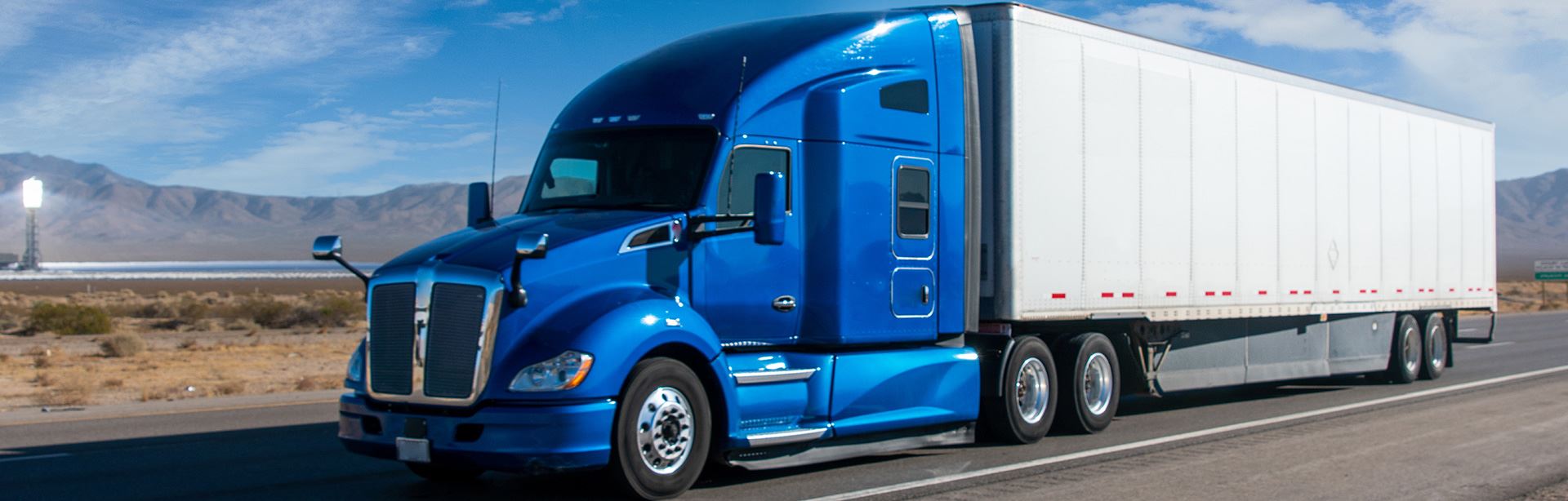
 California’s truck parking shortage has reached a critical point in 2026.
Drivers hauling cargo or transporting passengers between Las Vegas and Los Angeles often face a desperate search for legal parking spaces.
You may have to choose between severe HOS violation penalties or a ticket for a non-emergency stop near Victorville, CA. In San Bernardino County, many are forced to park on dangerous highway shoulders due to this lack of legal parking space.
Parking along the shoulder of the busy I-15 can be dangerous to the driver, their vehicle, and other travelers.
Staying informed is the only way to protect your livelihood. Our team understands the frustration of finding a legal spot before your clock expires. We help the driver avoid heavy fines for parking on the shoulder of I-15.
The Crisis of Parking on I-15 Shoulders
A 2026 study confirms that parking shortages cost drivers thousands in lost time and traffic tickets. The I-15 corridor is particularly notorious for a lack of legal spaces. Drivers often feel they have no choice but to stop on the shoulder or face a career-threatening HOS rules violation.
However, law enforcement classifies these as non-emergency stops, which are strictly prohibited. CA Vehicle Code (VC) Section 21718 makes it illegal to park on a freeway shoulder. This restriction includes the high-traffic areas around Hesperia and Victorville, CA.
Running out of driving time under the DOT FMCSA Hours of Service (HOS) rules is not considered a legal emergency by the court.
Poor trip planning does not excuse a dangerous stop on the shoulder. These stops create safety hazards for everyone on the highway and often result in fines between $238 and $800 and 1.5 NOTS points for commercial drivers in California.
However, paid fines and convictions are reported to the FMCSA.
Understanding Severe HOS Violation Penalties
The FMCSA has updated the fine schedule for the 2026 fiscal year.
HOS violation penalties and civil penalties by the FMCSA can now reach $4,812 per violation for individual drivers. Motor carriers may face even steeper civil penalties of up to $19,246, but these are extremely rare. These extreme fines will likely target commercial drivers who were the cause of a fatal crash.
Fighting these penalties and scars to the driver’s PSP, begin in California, and must avoid the assessment of NOTS points in order to prevent further penalties at the FMCSA.
Exceeding the 11-hour driving limit or 14-hour window leads to high CSA severity points and time-weight multiples. Roadside patrols in San Bernardino County look for these infractions, especially after dark when the danger significantly increases.
A conviction significantly damages the carrier’s SMS percentile. Carrier with an SMS percentile above 74 face more FMCSA interventions, and all vehicles using their DOT number will be pulled into open weigh stations for inspection, regardless of their inspection record, which will cause heavy delays.
The most common trigger for many of these penalties is the mandatory 30-minute break. This break must occur before eight consecutive hours of driving time.
Falsifying logs to hide a missed break carries a $15,846 maximum civil fine from the DOT FMCSA. Once again, these are likely extreme instances, but why risk it? Make a plan and stick to it to prevent non-emergency stops on I-15.
To protect your record, the driver must understand how HOS violation penalties impact your career long-term.
Sleeper Berth Flexibility and Non-Emergency Stops
The 2026 HOS rules offer some flexibility via the split sleeper berth provision.
Drivers can divide their 10-hour break into two separate qualifying periods. One period must be at least seven successive hours. However, that does not mean you must stay in the sleeper, you are off-duty.
The second break must be at least two hours of off-duty time. This flexibility can help a driver reach a legal spot in Victorville, CA, for a stop. It allows the driver to "pause" the 14-hour clock during the shorter break.
Despite this flexibility, the law remains rigid regarding stops that are not an emergency. You cannot use a highway shoulder to fulfill your sleeper berth requirement. Such a stop could result in a moving violation and a logbook violation of HOS rules.
Avoiding these non-emergency stop violations is essential to preventing high HOS violation penalties.
Ask Bigger & Harman About HOS Violation Penalties & Non-Emergency Stops Update
If you have been accused of an HOS violation or non-emergency stop on I-15 near Victorville, CA, call Bigger & Harman, APC at (661) 367-8232—se habla Español.
You can also email us at attorney@biggerharmanlaw.com or use our website contact form.
Bigger & Harman regularly defends clients in San Bernardino County Courthouses in Victorville and Needles. Call for a free, no-obligation consultation. We have proudly assisted California drivers, both commercial and non-commercial, resolve more than 30,000 traffic tickets.
We can review the specifics and offer a potential path forward.
Download our e-book, Protecting Your Commercial Driver License.
❓ Frequently Asked Questions (FAQ) Section
Q: Is it okay to park on the shoulder along I-15 if I am about to run out of driving time in California?
A: No, running out of HOS hours is not a legal emergency in California. You will likely receive a ticket for making a non-essential stop, which could be judged a moving violation in Victorville Courthouse. Commercial drivers should consult a CA traffic attorney before deciding to pay the fine.
Q: How can I fight a ticket for a non-emergency stop on the I-15 near Victorville?
A: A traffic attorney can help challenge the ticket in court. Knowledgeable and experienced legal assistance could be vital to protecting your CDL and PSP record.
Q: What are the current HOS violation penalties for a missed 30-minute break at the FMCSA?
A: Although FMCSA regulations authorize a fine up to $4,812 for this violation, those extreme civil penalties are meant for CDL holders who cause fatal crashes. However, These HOS violation penalties also add significant points to your carrier’s CSA score and SMS percentile, which will impact their fleet insurance premiums. The same is true for independent operators.
References:
The DOT FMCSA 49 CFR Part 383.51, Paragraph 6.2.5, Disqualification of Drivers.
CA VC Section 21718, Driving, Overtaking, and Passing.