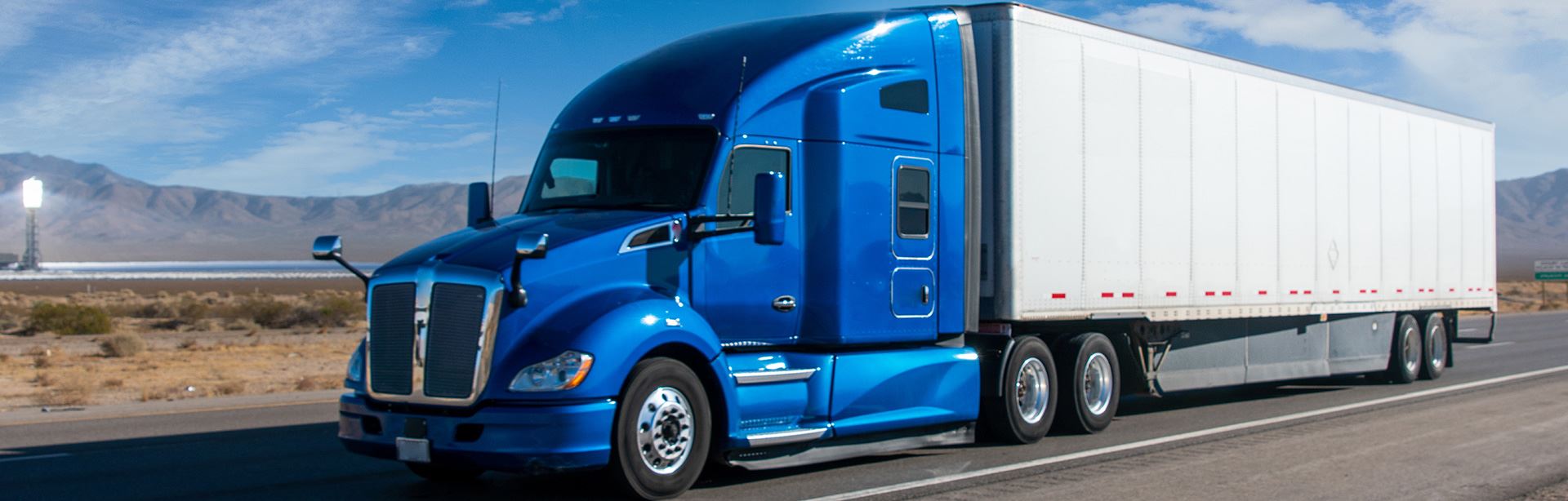
 Commercial driver’s misdemeanor speeding charges create serious risks for CDL holders.
We regularly speak with commercial drivers cited near Woodland in Yolo County, CA, often while traveling north or south on I-5 delivering, or picking up cargo in the Oakland/San Francisco Bay Area.
For commercial drivers, a misdemeanor speeding conviction can result in lasting damage to their driving record and future employment opportunities.
Why Commercial Drivers Face Higher Risks in Woodland
Woodland sits directly along I-5 North of Sacramento. I-5 is one of California’s busiest freight corridors. CHP enforcement is consistent in this area due to heavy truck traffic and safety concerns.
Commercial drivers coming from out of state are used to driving 65 or 70 mph, and often are surprised by the speed differential for commercial vehicles in California.
Drivers unfamiliar with local enforcement patterns often underestimate how aggressively commercial speed limits are monitored. That misunderstanding frequently leads to misdemeanor charges that must be resolved at Woodland or Roseville Courthouse.
What the Law Says About Commercial Speeding
California Vehicle Code (VC) §22406 limits most commercial vehicles to 55 mph statewide. This lower speed limit applies even though passenger vehicles lawfully travel much faster.
VC §22406.1 mandates that commercial drivers exceeding the limit by 15 mph or more be charged with a misdemeanor speeding ticket, rather than an infraction.
In fact, commercial drivers who exceed the statewide 55 are the only drivers charged with a misdemeanor for speeding only.
Understanding Commercial Driver’s Misdemeanor Speeding Charges
A commercial driver’s misdemeanor speeding charge is a criminal offense under California law. It carries consequences far beyond paying a fine.
We often explain to clients that this type of speeding ticket can appear on background checks. Employers and insurers treat misdemeanor convictions seriously. And yes, there can be immigration consequences.
California Penalties for Commercial Speeding Violations
Commercial speeding penalties escalate quickly based on the alleged speed:
- 1–9 mph over: Around $285 and 1.5 NOTS points
- 10–14 mph over: $459–$550 and 1.5 NOTS points
- 15+ mph over: A “base fine” up to $1,000, a misdemeanor charge, and possible jail or probation, and 1.5 NOTS points. The base fine can multiply by three to five times, depending on State & County surcharges, assessments, and penalties.
“A misdemeanor is a type of offense punishable under criminal law. A misdemeanor is typically a crime punishable by less than 12 months in jail.”— Cornell Law School Legal Information Institute (LII) WEX definition.
At 15 mph or more over the limit, the violation is also classified as a “serious offense” under FMCSA regulations.
Federal DOT and FMCSA Consequences
Commercial speeding convictions extend beyond the DMV. After the DMV assesses the 1.5 NOTS points after a conviction, it notifies the DOT FMCSA, which assesses CSA severity points and time-weight multiples.
CSA severity points may reach ten and are time-weighted. A serious offense appears on a PSP record for three years and affects carrier safety scores for up to two years.
Repeated serious offenses lead to CDL driver disqualification. Second violations can result in a 60-day suspension, while continued violations may trigger a lifetime CDL ban.
Prevention Tips for Commercial Drivers
We encourage drivers traveling on I-5 near Woodland to take proactive steps to avoid citations.
- Use speed alerts or engine governors.
- Reduce speed during fog, rain, or congestion.
- Watch for speed enforcement near truck stops.
- Maintain safe following distances.
- Avoid speeding to “catch up” and stay on schedule.
Experienced drivers know speeding to try to make up lost time sitting in traffic rarely works to the driver’s advantage and often leads to a speeding ticket.
Strengthen Your Defense in Woodland Courthouse
Local experience matters when handling commercial speeding tickets. We understand Woodland Courthouse procedures and judicial expectations.
That familiarity allows us to challenge speed measurement evidence, seek dismissals, or negotiate no-point outcomes when possible. Every case is evaluated individually.
Let us develop an individual defense plan to resolve a speeding ticket based on the facts. Our reputation for solid trial experience in Yolo County allows us to negotiate reduced charges and protect your driving and criminal record.
Ask Bigger & Harman About a Commercial Driver’s Misdemeanor Speeding Charge
Before paying a fine, commercial drivers should seek legal advice. Paying a ticket equals a conviction, and it will add NOTS points to your CA driving record and scar your PSP.
We often appear in traffic court on behalf of our clients to reduce stress and protect driving records. Early legal guidance can help prevent avoidable consequences.
We offer flexible appointment times and give personal attention to every case. In fact, we have resolved many commercial drivers’ speeding tickets without us ever meeting them or them appearing in court.
If you are facing a commercial driver’s misdemeanor speeding charge in Woodland Courthouse, call Bigger & Harman at (661) 349-9300—Marca 859-1177 para Español. You may also use our secure contact form online or email attorney@biggerharmanlaw.com.
Download our e-book, Protecting Your Commercial Driver License.
❓ Frequently Asked Questions (FAQ) Section
Q: What makes a commercial speeding ticket a misdemeanor?
A: Driving 15 mph or more over the 55 mph commercial speed limit triggers misdemeanor classification. If you’ve been ticketed with an “M” circled on your ticket when the speed was 15 MPH or more over the limit, Contact us at once.
Q: Should I fight a commercial driver’s misdemeanor speeding ticket?
A: You should contact us at once for a complimentary initial review. Legal review helps determine whether dismissal, reduction to an infraction, or no-point outcomes are possible.
Q: Can a traffic attorney appear in traffic court for me?
A: At Bigger & Harman, we rarely require a commercial driver to appear in court. Unless there is a compelling reason for their presence, we’d prefer they keep driving and leave the court business to us.
References:
CA VC Sections 22406 & 22406.1, Speed Laws.
The DOT FMCSA 49 CFR Part 383.51, Paragraph 6.2.5, Disqualification of Drivers.
The Cornell Law School LII WEX Definitions: Misdemeanor.